A regular eye exam is one of the most important steps you can take to protect your vision and overall health. While many people only schedule an appointment when they notice blurry vision or eye discomfort, comprehensive eye exams can detect vision changes and identify serious eye diseases long before symptoms appear.
Whether you wear glasses, contact lenses, or have always enjoyed clear vision, routine eye exams play a critical role in maintaining healthy eyesight throughout your life. In addition to evaluating your vision, eye care professionals can identify early signs of conditions such as glaucoma, cataracts, diabetic retinopathy, and macular degeneration.
In this guide, we'll explain how often you should schedule a comprehensive eye exam , what to expect during your appointment, and why preventative eye care is an investment in your long-term health.
Why Regular Eye Exams Are Important
Many eye diseases develop gradually and without noticeable symptoms. By the time vision changes become obvious, permanent damage may have already occurred.
A comprehensive eye exam helps detect problems early, allowing treatment to begin before vision loss becomes severe.
Routine screenings play a vital role in identifying various vision changes and serious conditions such as glaucoma, cataracts, and age-related macular degeneration. Additionally, these examinations allow for the early detection of diabetic eye disease, dry eye syndrome, and complex retinal disorders. By examining the blood vessels in your eyes, providers can also find early indicators of systemic health issues like high blood pressure and diabetes.
Early detection often leads to better treatment outcomes and helps preserve your eyesight.
How Often Should Adults Get an Eye Exam?
The ideal frequency depends on your age, health, family history, and risk factors.
Adults Ages 18–39
Healthy adults with no vision problems or risk factors should generally schedule a comprehensive eye exam every one to two years.
More frequent visits may be recommended if you:
- Wear glasses or contact lenses
- Experience vision changes
- Have diabetes
- Have a family history of eye disease
Adults Ages 40–64
Around age 40, the risk of age-related eye conditions begins to increase.
Most adults should have an eye exam every year or even sooner, depending on their individual risk factors and the specific advice from their optometrist.
Routine screenings become increasingly important for detecting glaucoma, cataracts, and presbyopia.
Adults Age 65 and Older
Older adults are at greater risk for several eye diseases.
Annual comprehensive eye exams are typically recommended to monitor age-related changes and preserve vision.
Who May Need More Frequent Eye Exams?
Some individuals benefit from more frequent monitoring.
Your eye doctor may recommend yearly—or even more frequent—appointments if you have:
- Diabetes
- High blood pressure
- Glaucoma
- A family history of eye disease
- Previous eye injuries
- Autoimmune diseases
- Certain prescription medications that affect vision
Following your provider's recommendations helps ensure that any developing issues are detected promptly.
What Happens During a Comprehensive Eye Exam?
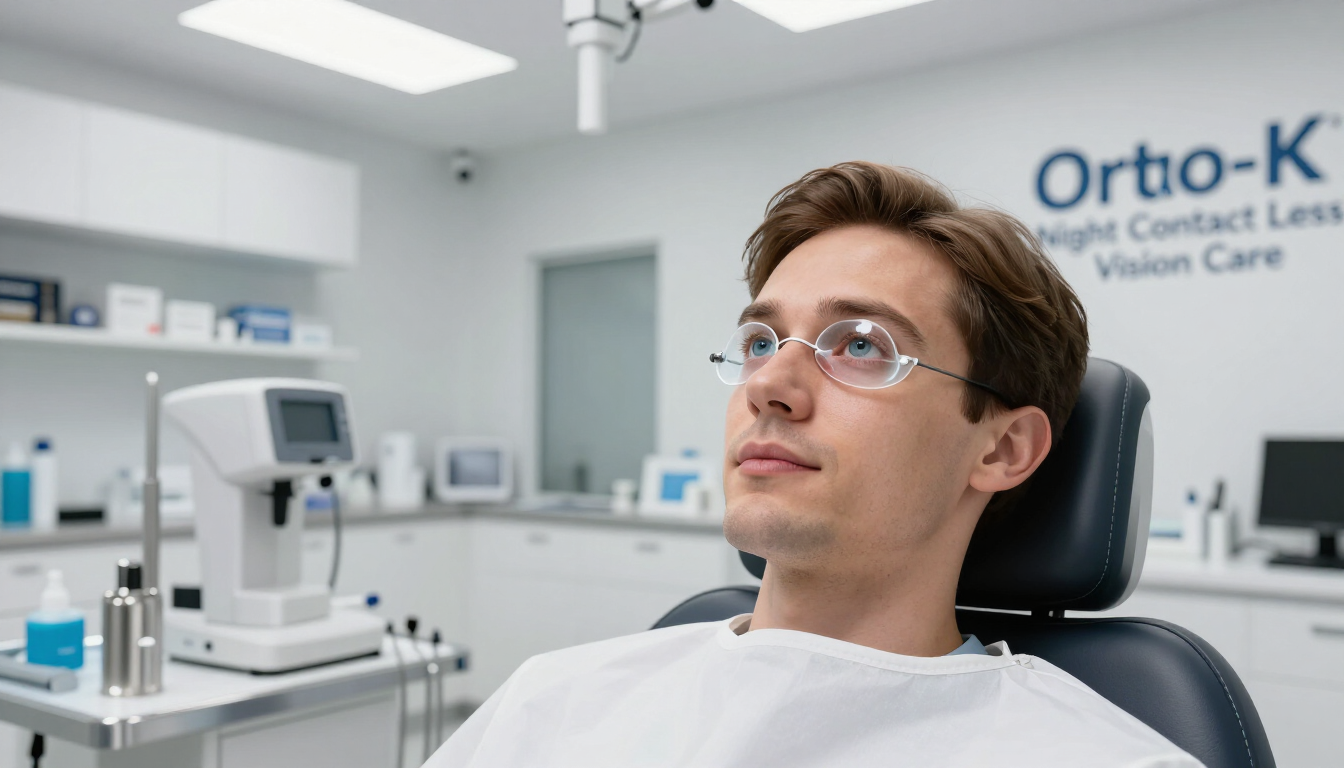
A comprehensive eye exam involves much more than reading letters on a vision chart. Your appointment may include several evaluations designed to assess both your vision and overall eye health.
Common components include:
Vision Testing
Your provider measures how clearly you can see at various distances and determines whether corrective lenses are needed.
Refraction Test
This test identifies the appropriate prescription for glasses or contact lenses.
Eye Health Evaluation
Using specialized equipment, your eye doctor performs a meticulous assessment of the cornea, lens, and retina, while also carefully checking the health of the optic nerve and surrounding blood vessels.
These structures can reveal early signs of both eye diseases and systemic health conditions.
Eye Pressure Measurement
Testing intraocular pressure helps screen for glaucoma, a leading cause of irreversible vision loss.
Retinal Examination
Dilating the pupils allows your provider to examine the retina and optic nerve for signs of disease or damage.
Signs You Should Schedule an Eye Exam Sooner
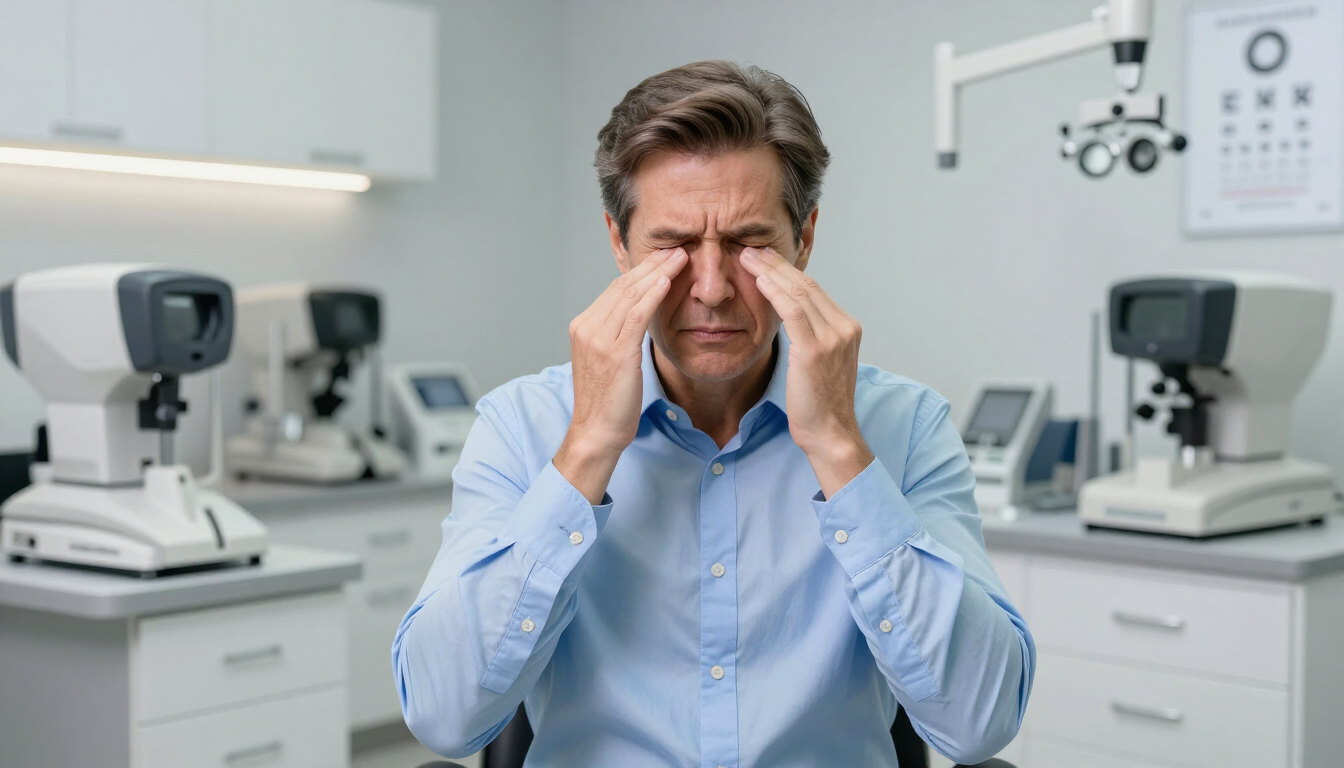
Even if your next routine appointment isn't due yet, certain symptoms should prompt an immediate evaluation.
Watch for:
- Blurry vision
- Double vision
- Eye pain
- Flashes of light
- Sudden floaters
- Loss of peripheral vision
- Frequent headaches
- Difficulty seeing at night
- Redness or persistent irritation
Prompt evaluation can help prevent complications and protect your eyesight.
The Connection Between Eye Health and Overall Health
A comprehensive eye exam can reveal more than vision problems.
During an eye examination, providers can detect subtle signs of chronic conditions such as diabetes, high blood pressure, and high cholesterol. Furthermore, the eyes can reveal symptoms related to autoimmune diseases and various neurological conditions, often before other physical symptoms manifest.
Because blood vessels and nerves inside the eye are visible without surgery, eye doctors can often identify health concerns before other symptoms develop.
Tips for Maintaining Healthy Vision
Routine eye exams work best when combined with healthy daily habits.
Protect your eyesight by:
- Scheduling regular comprehensive eye exams.
- Wearing UV-protective sunglasses outdoors.
- Eating a diet rich in leafy greens and omega-3 fatty acids.
- Managing chronic health conditions such as diabetes and hypertension.
- Taking regular breaks from digital screens using the 20-20-20 rule.
- Wearing protective eyewear during sports or hazardous work.
- Avoiding smoking, which increases the risk of several eye diseases.
Small lifestyle changes can have a significant impact on long-term eye health.
Why Preventative Eye Care Matters
Preventative care helps reduce the likelihood of serious vision problems and supports overall quality of life.
The benefits of regular eye exams extend far beyond simple vision correction; they ensure early disease detection and provide accurate prescriptions for better work productivity and improved driving safety. Ultimately, staying consistent with your eye care reduces the risk of permanent vision loss and supports the better management of chronic health conditions.
Routine appointments are often quicker, less expensive, and more effective than treating advanced eye disease.
Choosing the Right Eye Care Provider
When selecting an eye care practice, it is essential to find professionals who offer comprehensive eye care solutions and utilize advanced diagnostic technology. A truly unique practice will provide personalized treatment plans, contact lens evaluations, and expert management of eye diseases, all while emphasizing patient education and payment options that suit your lifestyle.
An experienced eye care team can help you maintain healthy vision throughout every stage of life.
Conclusion
Scheduling a routine eye exam is one of the simplest and most effective ways to protect your vision and detect potential health concerns early. Whether you have perfect eyesight or rely on corrective lenses, comprehensive eye exams provide valuable insights into both your eye health and overall well-being.
By following recommended screening intervals and addressing vision changes promptly, you can reduce your risk of serious eye disease and maintain clear, healthy vision for years to come.
At Perspective LI , we are committed to providing comprehensive eye care tailored to your unique needs across our various locations. Our experienced team uses advanced diagnostic technology to evaluate your vision, detect eye conditions early, and recommend personalized treatment options.
Feel free to use our contacts page to reach out, or simply schedule your comprehensive eye exam today to take the first step toward protecting your eyesight and overall health.
More Posts Like This