Optometrist vs Ophthalmologist: How to Choose the Right Eye Doctor
Optometrist or Ophthalmologist? How to Choose the Right Eye Doctor for Your Needs
Not sure whether to call an optometrist or an ophthalmologist? Most people aren’t clear on the difference. When something shifts with your vision — or it is simply time for a checkup — knowing which door to walk through first is not obvious, and the terminology does not help.
Here is the short version: you do not need to make a perfect choice on day one. The right entry point is a doctor who can see you promptly, assess the problem thoroughly, and coordinate any specialist care from there. That is how Perspective Eye Care works every day in Bellport and Coram.
This guide covers the real differences between optometrists and ophthalmologists, what each one handles, when surgery enters the picture, and three care pathways that show how a collaborative approach keeps you seeing clearly.
Optometrist vs. Ophthalmologist, in Plain Language
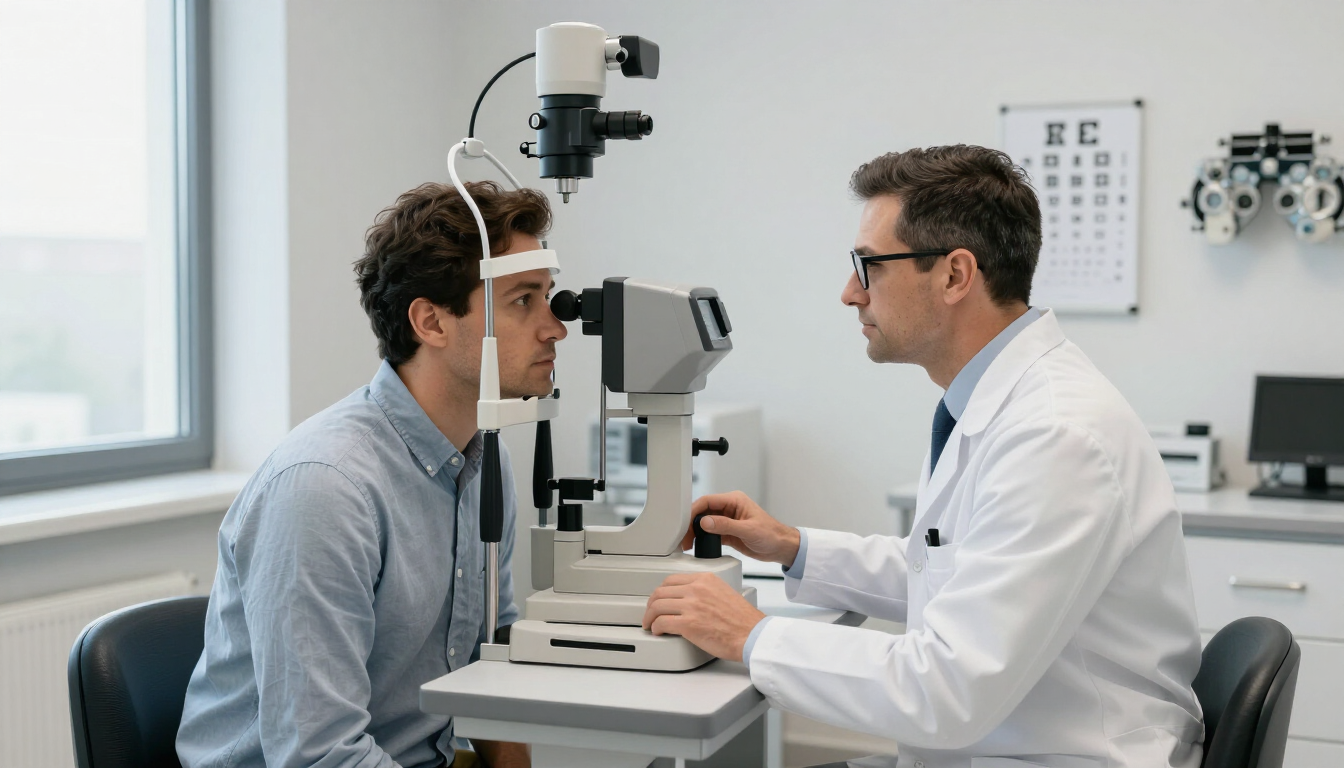
Optometrists (O.D.) are primary eye care doctors. They perform comprehensive eye exams, prescribe glasses and contact lenses, diagnose and treat a wide range of medical eye conditions, manage chronic diseases like glaucoma alongside surgical partners, and provide urgent care for infections, injuries and sudden changes in vision. At Perspective Eye Care, exams include advanced imaging to catch problems early and clear explanations, so you understand your options.
Ophthalmologists (M.D. or D.O.) are medical doctors who specialize in eye and eyelid surgery. They diagnose and treat all eye diseases and perform surgical procedures including cataract surgery, retinal surgery and corneal transplants. Many also deliver in-office treatments such as injections or laser therapy for retinal disease and glaucoma.
Think of your optometrist as the first stop for comprehensive care, diagnosis and long-term management. When surgery or highly specialized procedures are required, your optometrist coordinates the referral to the right ophthalmologist and co-manages your care before and after the procedure.
Which Eye Doctor Is Better?
Neither, in isolation. Each has a distinct role. For most people, an optometrist is the right first step for annual exams, new or changing vision, dry eye symptoms, and non-surgical eye disease. When surgery is indicated — or when complex retinal or corneal conditions are involved — an ophthalmologist becomes the appropriate choice.
The strongest model is a team approach: your optometrist and ophthalmologist working together, sharing imaging and keeping you informed from start to finish.
Perspective Eye Care follows that model. Dr. Brian Cho, O.D., M.S., F.A.A.O., and the team provide comprehensive family eye care, same-day urgent visits when needed, and coordinated referrals to trusted surgical partners across Long Island.
What Optometrists Manage Day to Day
Optometrists deliver a broad range of medical and vision services. Common areas of care include:
Comprehensive eye exams with advanced diagnostics to detect cataracts, glaucoma, macular degeneration and diabetic eye disease at the earliest stages.
Dry eye diagnosis and treatment tailored to the underlying cause — from meibomian gland dysfunction to environmental triggers — using modern therapies that stabilize the tear film. Our overview of dry eye causes and treatment options covers what to expect.
Glaucoma co-management, including baseline imaging, medication management, visual field monitoring, and referral for laser or surgery when the disease progresses.
Urgent eye care for infections, foreign bodies, corneal abrasions, new flashes and floaters, and sudden changes in vision.
Specialty contact lenses for complex corneas — including scleral lenses for keratoconus, severe dry eye and post-refractive complications.
Myopia management for children, using orthokeratology, specialized contact lenses and guidance on habits that reduce progression risk. Families can explore children's myopia control lens options and what follow-up involves.
If you are looking for a Long Island eye doctor who can start with a thorough evaluation and guide your next steps, explore our comprehensive eye care solutions. Many patients begin with a routine exam to establish a baseline, then receive recommendations shaped around their specific situation.
What an Ophthalmologist Can Do That an Optometrist Cannot
Ophthalmologists perform eye surgery and certain in-office procedures that require surgical training. These include:
- Cataract surgery to remove a cloudy lens and place an artificial one
- Retinal procedures such as repair of retinal detachments, treatment for advanced diabetic retinopathy, or injections for macular degeneration
- Corneal transplants and complex corneal surgeries
- Advanced glaucoma surgeries and specific laser procedures
Your optometrist identifies when these are needed and ensures you reach the right specialist without delay. After surgery, you typically return to your optometrist for ongoing care, prescription updates and disease monitoring.
Three Real-World Care Pathways
Cataract Evaluation and Co-Management
You notice cloudy vision or increased glare. Your optometrist performs a comprehensive exam and imaging, confirms cataracts, and discusses how significantly they are affecting daily life. If surgery will meaningfully improve function, we coordinate with a cataract surgeon, share test results, and help you consider lens options based on your lifestyle. After surgery, you return for follow-up, prescription updates and any ongoing glaucoma or retinal monitoring. Many patients prefer this route because they are working with a team they already know and trust.
Sudden Flashes and Floaters: Same-Day Triage
New flashes of light or a sudden surge of floaters can signal a posterior vitreous detachment — or, less commonly, a retinal tear or detachment. Call us immediately for a same-day evaluation. We use ultra-widefield retinal imaging and dilated examination to look for peripheral tears that standard imaging can miss. Many cases require monitoring and precautions. If we find a tear or detachment, we arrange immediate specialist care and stay involved throughout so you are not managing it alone.
Myopia Management for Children
Your child's prescription is changing quickly, and you want to slow that progression to reduce long-term risks. We evaluate axial length and corneal shape, then discuss evidence-based options: orthokeratology, soft multifocal contacts, or atropine therapy. We track changes over time and adjust the plan as your child grows. If your family is considering overnight corneal reshaping, you can learn more about orthokeratology in Bellport and whether it fits your child's lifestyle.
When to Start with an Optometrist vs. an Ophthalmologist
Start with an optometrist for routine or medical eye exams, dry eye symptoms, contact lens fittings, gradual vision changes, or same-day care for new floaters, redness, irritation or a foreign body. Optometrists can diagnose, begin treatment and coordinate specialist care as needed.
See an ophthalmologist — typically through a referral — if you already know you need eye surgery, or have been told you have a retinal detachment, advanced diabetic retinopathy requiring injections, or a corneal transplant need.
If you are unsure, call us. We will triage your symptoms and point you to the right level of care the same day.
Our Collaborative Network and Urgent Access
Perspective Eye Care serves Bellport, Coram and surrounding Long Island communities with same-day urgent visits for sudden symptoms. We partner closely with ophthalmology teams for cataracts, glaucoma procedures, corneal disease and retinal care — with clear communication and smooth handoffs at every stage. One team, focused on your outcome.
Call 631-286-4014 and we will help you decide the right next step.
FAQs
Should I see an optometrist or ophthalmologist first?
For most non-surgical needs and new symptoms, start with an optometrist. You will receive a thorough evaluation and a clear plan, and if surgery is needed, your optometrist will refer you to the right specialist.
Which eye doctor is better?
Neither is universally better. Optometrists handle comprehensive care, diagnosis and long-term management. Ophthalmologists are surgeons who manage procedures and complex cases. The best outcomes usually involve both.
What can an ophthalmologist do that an optometrist cannot?
Surgery and certain procedures: cataract removal, retinal surgery or injections, corneal transplants, and advanced glaucoma operations.
What are three conditions that should be seen by an ophthalmologist?
Cataracts requiring surgery, retinal detachments or advanced retinal disease, and corneal conditions that require transplant or complex surgical repair.
Key Takeaways
Start with an optometrist for comprehensive exams, dry eye, glaucoma monitoring, specialty lenses and same-day urgent issues. See an ophthalmologist when surgery or complex retinal or corneal care is indicated. A coordinated team gets you faster answers, safer care and simpler follow-up.
Unsure where to begin?
Call Perspective Eye Care in Bellport or Coram at 631-286-4014. We will listen, triage your situation and get you to the right doctor.
More Posts Like This