The Case for Advanced Treatment
Dry eye disease is one of the most common — and most mismanaged — conditions in eye care. For millions of patients, artificial tears provide only fleeting comfort, leaving the underlying cause completely unaddressed. That's because dry eye isn't a single problem. It can stem from meibomian gland dysfunction, inflammatory lid disease, an unstable tear film, or a compromised ocular surface — and each demands a targeted response.
At Perspective Eye Care Long Island, we offer a full spectrum of evidence-based dry eye therapies, from in-office energy treatments to advanced biologic interventions. Here's what each treatment does, who it's for, and what patients can expect.
16M+
Americans with dry eye disease
86%
of dry eye involves meibomian gland dysfunction
6
Advanced treatments at our practice
1. ENERGY THERAPY
Low Level Light Therapy (LLLT)
Photobiomodulation for gland health and inflammation control
Low Level Light Therapy — often called photobiomodulation — uses targeted, low-intensity wavelengths of light applied to the eyelids and surrounding tissue. Unlike lasers or high-energy devices, LLLT doesn't cut or heat; it communicates with cells directly at the mitochondrial level, stimulating natural repair and anti-inflammatory pathways.
The treatment works by activating cytochrome c oxidase within the mitochondria, which boosts ATP production and accelerates cellular repair. For dry eye patients, this translates to improved meibomian gland secretion, reduced eyelid inflammation, and a more stable lipid layer in the tear film — the oil-based component responsible for preventing evaporation.
Sessions are gentle, completely painless, and typically take under 20 minutes. Most patients complete a series of four sessions over several weeks. Many notice significant improvement in comfort, redness, and tear film quality by their third or fourth visit — with results that can last months beyond the end of treatment.
KEY BENEFITS
• Stimulates meibomian gland secretion
• Reduces periocular inflammation
• Non-invasive and pain-free
• No downtime required
• Pairs well with RF and IPL therapies
Safe for medication-sensitive patients
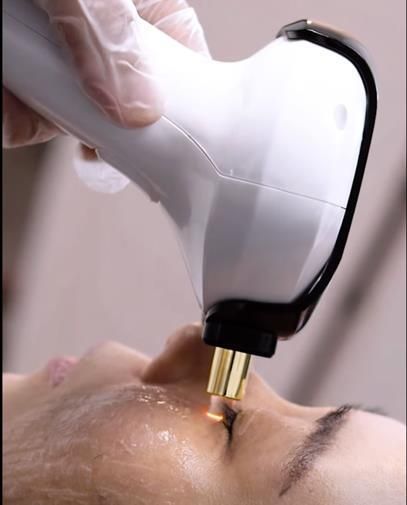
2. ENERGY THERAPY
Radiofrequency (RF) Treatment
Thermal gland therapy for meibomian gland dysfunction
Radiofrequency therapy delivers controlled thermal energy to the eyelids, gently heating the meibomian glands to liquefy and release thickened, stagnant meibum — the waxy oil secretion that forms the critical protective lipid layer of the tear film. When meibum solidifies or plugs the gland openings, the lipid layer breaks down rapidly, triggering the hallmark symptoms of evaporative dry eye: burning, grittiness, and fluctuating vision.
RF treatment doesn't just unclog glands in the short term. The controlled heating effect also stimulates collagen remodeling in the eyelid tissue, which helps restore the structural integrity of the meibomian glands over time — a meaningful advantage for patients with chronic or moderate-to-severe MGD. Clinical studies have demonstrated sustained improvements in tear break-up time and symptom scores at six to twelve months following a treatment series.
The procedure is comfortable and brief. Patients often describe the sensation as a warm massage over the eyelids. Following RF treatment, we perform manual meibomian gland expression to maximize clearance of softened secretions. There is no recovery period, and most patients return to normal activities immediately.
KEY BENEFITS
- Liquefies and clears blocked
- Stimulates collagen remodeling in lid tissue
- Sustained results at 6–12 months
- Comfortable, spa-like experience
- Zero downtime
- Effective for moderate-to-severe MGD
3. LIGHT THERAPY
Intense Pulsed Light (IPL)
Targeting the vascular root cause of inflammatory dry eye
Intense Pulsed Light therapy delivers precisely calibrated broad-spectrum light pulses to the skin around the eyelids, targeting the abnormal blood vessels (telangiectasias) that drive chronic eyelid inflammation. These small, dilated vessels leak inflammatory mediators onto the lid margin — disrupting meibomian gland function and perpetuating the cycle of evaporative dry eye that artificial tears alone cannot break.
IPL works in two complementary ways. First, the light energy is absorbed by oxyhemoglobin in the abnormal blood vessels, causing them to collapse and be reabsorbed — reducing the inflammatory load on the ocular surface. Second, the heat generated around the meibomian glands softens hardened meibum and stimulates gland activity. This dual mechanism makes IPL particularly effective for patients with rosacea-associated MGD, a common and frequently under-recognized combination.
Multiple clinical trials have demonstrated 50–70% improvements in tear break-up time and symptom scores following a series of IPL sessions. Treatment typically involves three to four sessions spaced three to four weeks apart, followed by maintenance visits as needed. Results compound over the series and continue to improve for weeks after the final session.
KEY BENEFITS
- Closes abnormal inflammatory blood vessels
- 50–70% improvement in symptom scores (clinical trials)
- Highly effective for rosacea-associated MGD
- Also improves skin texture around the eyes
- Results continue building after final session
- Combines well with RF for maximum effect
4. LID HYGIENE
ZEST Therapy
Okra-based deep lid cleansing for Demodex and biofilm
ZEST — Zocular Eyelid System Treatment — is a specialized in-office lid cleansing procedure that uses an okra-derived polysaccharide gel to deeply exfoliate the eyelid margins, removing the biofilm, crusting, and debris that accumulate at the base of the lashes. This buildup is a primary breeding ground for Demodex mites — microscopic parasites that infest eyelash follicles and meibomian gland openings in a significant percentage of adults, with prevalence increasing sharply with age.
Demodex infestation is a frequently overlooked driver of chronic dry eye, blepharitis, and eyelid inflammation. The mites disrupt meibomian gland openings, introduce bacteria and their waste products to the ocular surface, and trigger persistent inflammation that conventional treatments don't address. ZEST physically removes the mite population and the collarette debris they leave behind, providing immediate relief while creating a cleaner lid environment that supports better gland function.
The procedure is quick and comfortable, performed right in our office. Many patients notice a significant reduction in lid irritation, redness, and foreign body sensation within days of treatment. ZEST is an excellent adjunct to energy-based therapies and is recommended as a starting point for patients with visible collarettes or a history of chronic blepharitis.
KEY BENEFITS
- Removes Demodex mites and biofilm
- Clears debris from meibomian gland openings
- Quick improvement in lid comfort and redness
- Natural okra-based gel — no harsh chemicals
- deal for chronic blepharitis patients
- Creates a foundation for other dry eye therapies
5. BIOLOGIC THERAPY
Amniotic Membrane Therapy
Regenerating the ocular surface with biologic tissue
Amniotic membrane therapy represents one of the most powerful options in our dry eye toolkit — a biologic treatment derived from human placental tissue that is used to regenerate and heal a damaged or severely compromised ocular surface. The amniotic membrane is remarkably rich in growth factors, anti-inflammatory cytokines, and extracellular matrix proteins that support tissue repair in a way no pharmaceutical can replicate.
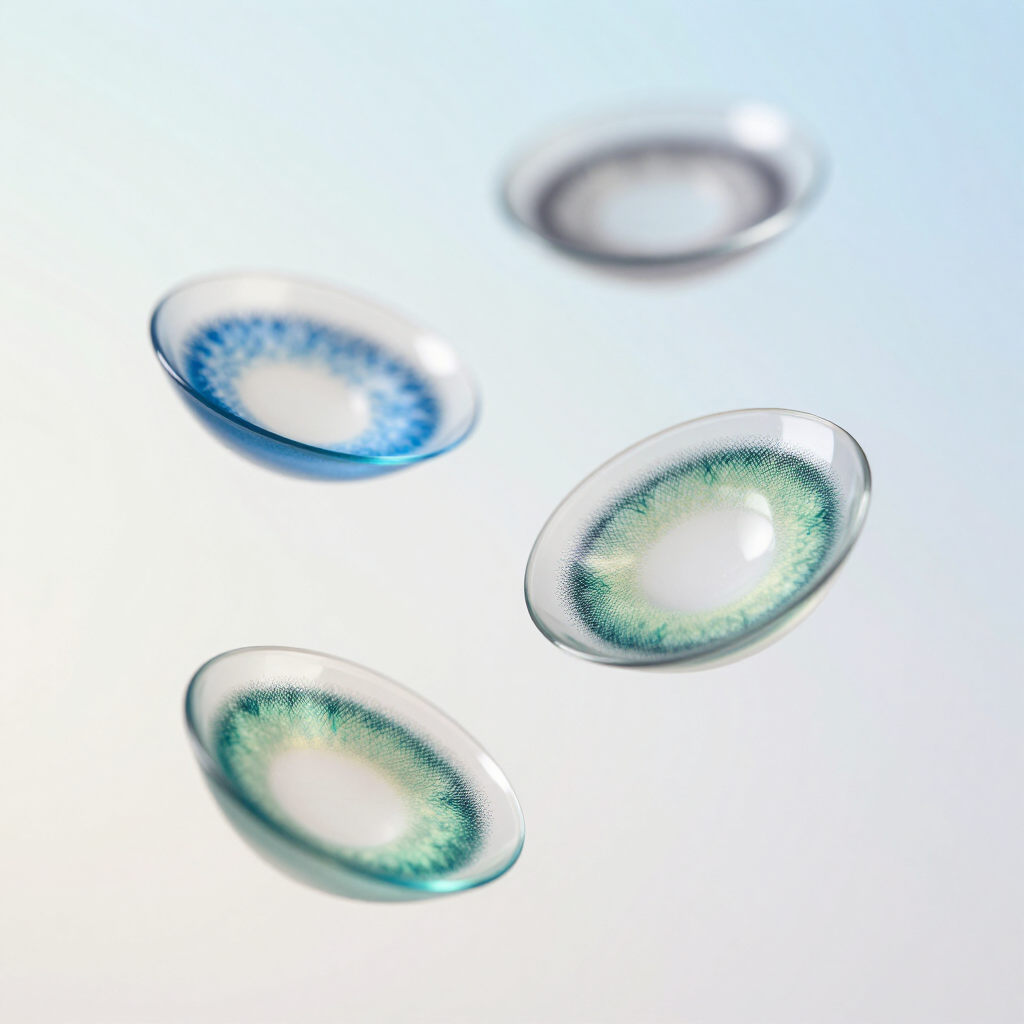
When placed on the eye, the membrane acts as a biological scaffold, reducing inflammation, inhibiting scarring, and actively promoting the regeneration of healthy corneal and conjunctival epithelium. We use cryopreserved amniotic membrane delivered via a dissolving ring or contact lens device, making application simple and well-tolerated. The membrane dissolves over several days, releasing its healing factors continuously while in place.
This treatment is particularly transformative for patients with severe or refractory dry eye who have not responded to conventional therapies — including those with corneal epithelial defects, filamentary keratitis, persistent surface breakdown, or dry eye associated with autoimmune conditions such as Sjogren's syndrome or rheumatoid arthritis. It is also used after ocular surgery to support healing and reduce post-operative inflammation.
KEY BENEFITS
- Delivers growth factors for tissue regeneration
- Reduces corneal inflammation and scarring
- Effective for severe refractory dry eye
- Treats corneal epithelial defects and keratitis
- Supports healing post-ocular surgery
- Dissolving delivery — no removal needed
6. RETENTION THERAPY
Punctal Plugs
Preserving your natural tear volume through occlusion
Punctal plugs are tiny, biocompatible devices inserted into the tear drainage openings (puncta) at the inner corners of the upper and lower eyelids. Their mechanism is straightforward but remarkably effective: by slowing the drainage of tears from the ocular surface, they increase the volume of natural tears available to lubricate and protect the eye throughout the day.
This makes punctal plugs an excellent solution for patients whose primary challenge is aqueous-deficient dry eye — a condition where the lacrimal glands simply don't produce enough tears to maintain adequate coverage. They're equally valuable as a complement to other dry eye therapies, amplifying the benefit of prescription eye drops like cyclosporine (Restasis) or lifitegrast (Xiidra) by extending the contact time of the medication on the ocular surface.
Insertion takes just a few minutes in our office and is entirely painless — most patients don't feel the plug at all once it's placed. We offer both temporary dissolvable plugs (ideal for trialing the treatment or for post-surgical use) and permanent silicone plugs for ongoing management. If a plug ever needs to be removed, it can be done quickly and easily at any visit. For many patients, punctal plugs represent the simplest, most low-maintenance step they can take toward meaningful, lasting relief.
KEY BENEFITS
- Increases natural tear retention on the surface
- Painless in-office insertion in minutes
- Reversible — removable at any time
- Temporary or permanent options available
- Amplifies effectiveness of prescription drops
- Low maintenance with lasting results
Ready to find the right treatment for you?
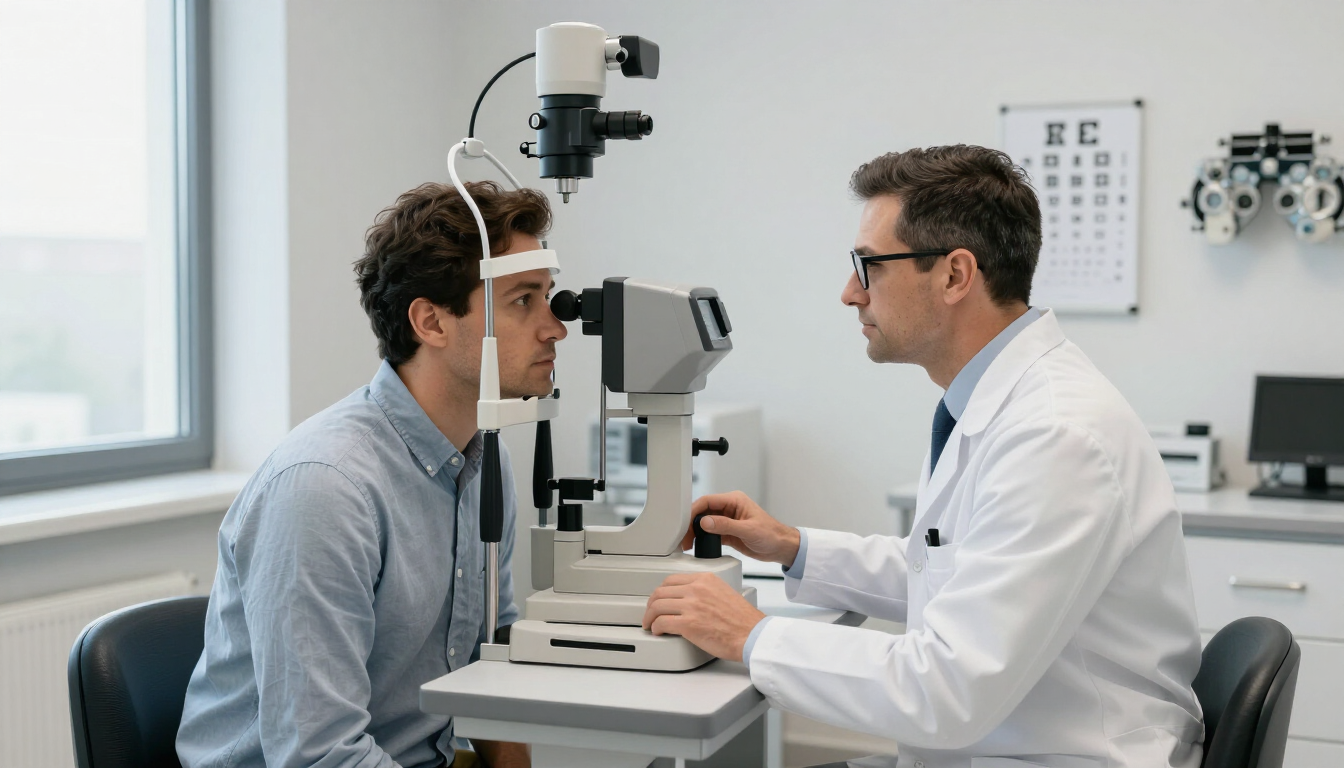
Dry eye is rarely one-size-fits-all. Dr. Brian Cho will evaluate your tear film, gland health, and ocular surface to build a personalized treatment plan — so you get relief that lasts.
Book a Dry Eye Evaluation at perspectiveli.com
A Personalized Path to Lasting Comfort
Dry eye disease is rarely one-dimensional, and the most effective treatment plans usually aren't either. Many of our patients benefit most from a combination approach — for example, ZEST to clear the lid environment, followed by a series of IPL and RF to treat gland dysfunction and underlying inflammation, supported by punctal plugs to maintain tear volume between visits. For patients with severe surface disease, amniotic membrane therapy can provide the reset the ocular surface needs before other treatments can achieve their full effect.
The common thread in all of these treatments is that they address causes, not just symptoms. Unlike drops that provide momentary relief and nothing more, these therapies work with your body's natural biology to restore function, reduce inflammation, and rebuild a healthy ocular surface.
If dry eye has been affecting your vision, comfort, or daily life — whether for months or years — we encourage you to come in for a comprehensive dry eye evaluation. The right treatment may be closer than you think.
Dr. Brian Cho, O.D., F.A.A.O.
More Posts Like This