Your Teen's Vision Is Changing — And Not Just Because of Their Phone
What every parent of a nearsighted teen should know about myopia management — and why acting now matters more than you think.
If your teenager squints at the whiteboard, can't see the scoreboard without leaning in, or comes home from every eye exam with a stronger prescription than last year — you're not imagining it, and it's not just growing pains. It's myopia, also known as nearsightedness, and it's one of the fastest-growing eye health concerns among kids and teens today.
The good news? There's a lot we can do about it — and the earlier we start, the better.
Why a "Stronger Prescription" Isn't Just an Inconvenience
Most parents think of myopia as a glasses problem — something you manage with an updated prescription every year. But what's actually happening inside your teen's eye matters a lot more than the number on their lens.
When a child is nearsighted, their eye is growing longer than it should. That elongation is what blurs distant objects — but it also places physical strain on the retina and surrounding eye tissues. And the further that growth goes unchecked, the higher the risk of serious eye disease later in life, including:
- Early-onset cataracts
- Retinal detachment
- Glaucoma
- Macular degeneration
These aren't rare worst-case scenarios — they're well-documented risks of high myopia, and they develop quietly over decades. The decisions made during your teen's adolescence directly shape what their eye health looks like at 40, 50, and beyond.
What Is Myopia Management — and Does It Actually Work?
Myopia management is a category of evidence-based treatments designed to slow down — not just correct — the progression of nearsightedness. Rather than simply compensating for the blur, these approaches target the underlying growth of the eye itself.
At Perspective Eye Care, we offer several proven options:
- Low-dose atropine eye drops — A nightly drop that slows the abnormal lengthening of the eye. Studies show it can reduce myopia progression by 50–80%, with minimal side effects at the doses we use.
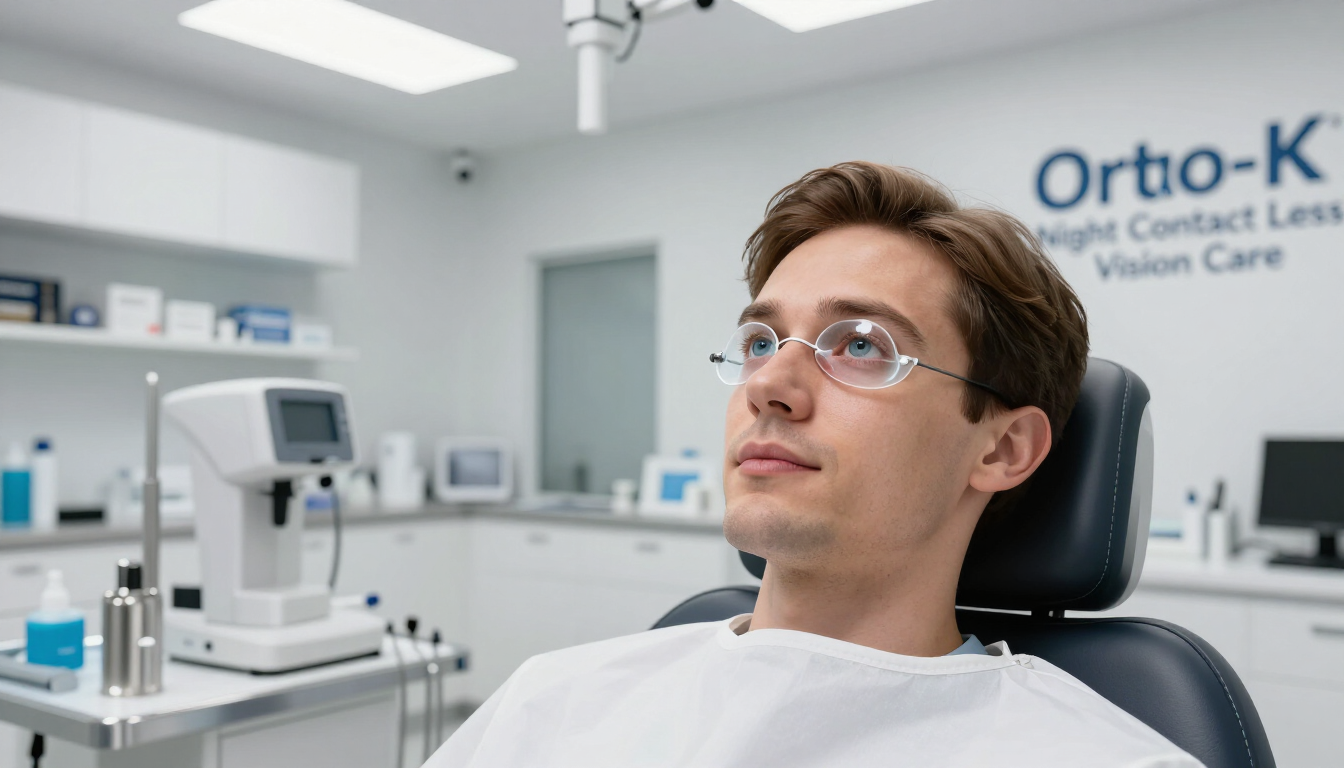
- Orthokeratology (Ortho-K) — Specially designed overnight contact lenses that gently reshape the cornea while your teen sleeps. They wake up with clear vision — no glasses or contacts needed during the day — and the lenses actively curb progression.
- Multifocal contact lenses and glasses — Specialty lenses designed to reduce visual strain at multiple distances, which helps slow eye elongation during the hours teens spend on screens and close work.
- Lifestyle adjustments — Something as simple as 90+ minutes of outdoor time daily has been shown in research to slow myopia progression. Reducing prolonged near screen time helps too.
The right approach depends on your teen's prescription, lifestyle, and how fast their vision has been changing. We'll walk you through every option at their evaluation.
The Teen Years Are the Window That Matters Most
Myopia tends to progress fastest during childhood and the teen years, when the eye is still actively growing. Once that growth stabilizes — typically in the early-to-mid 20s — the damage is largely done. That's why the window between 13 and 18 is so important.
Starting myopia management during these years doesn't just improve your teen's vision today. It lowers the total amount of eye elongation they accumulate — and that reduction in lifetime myopia load is what directly decreases their risk of serious complications decades from now.
Signs Your Teen May Need a Myopia Evaluation
It's worth booking an evaluation if any of the following sounds familiar:
- Their prescription has changed at every annual exam
- They squint or sit closer to screens than they used to
- They complain of headaches or eye strain after school or screen time
- One or both parents are nearsighted (myopia has a strong genetic component)
- They spend significant time on screens, reading, or doing homework at close range
Book a Myopia Evaluation at Perspective Eye Care
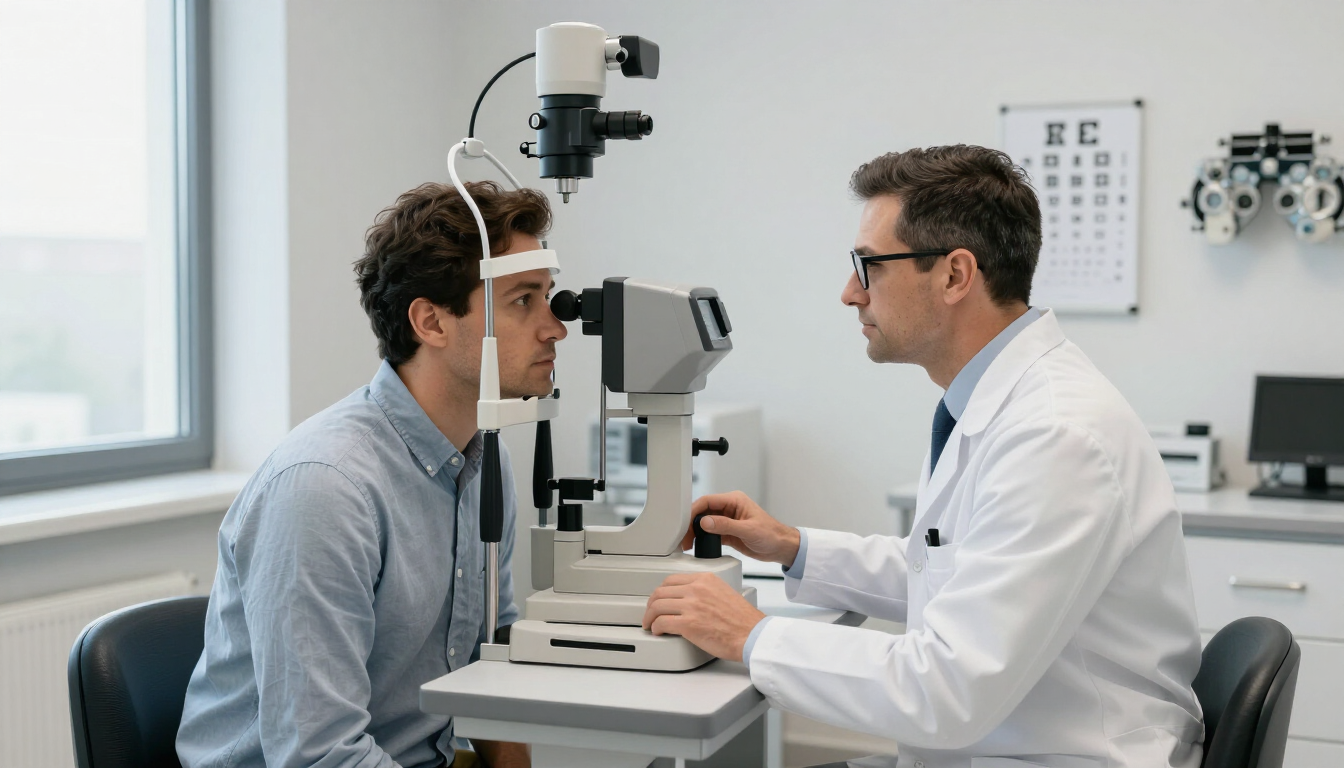
A myopia evaluation at Perspective Eye Care is a relaxed, pressure-free visit. Dr. Brian Cho will review your teen’s prescription history, assess how quickly their vision has been changing, and talk through which management options make the most sense for them — no jargon, no guesswork.
The earlier we start, the more we can do. Book your teen’s evaluation at perspectiveli.com — we’d love to see them.
Perspective Eye Care • perspectiveli.com
More Posts Like This