
Increase Your Eye-Q

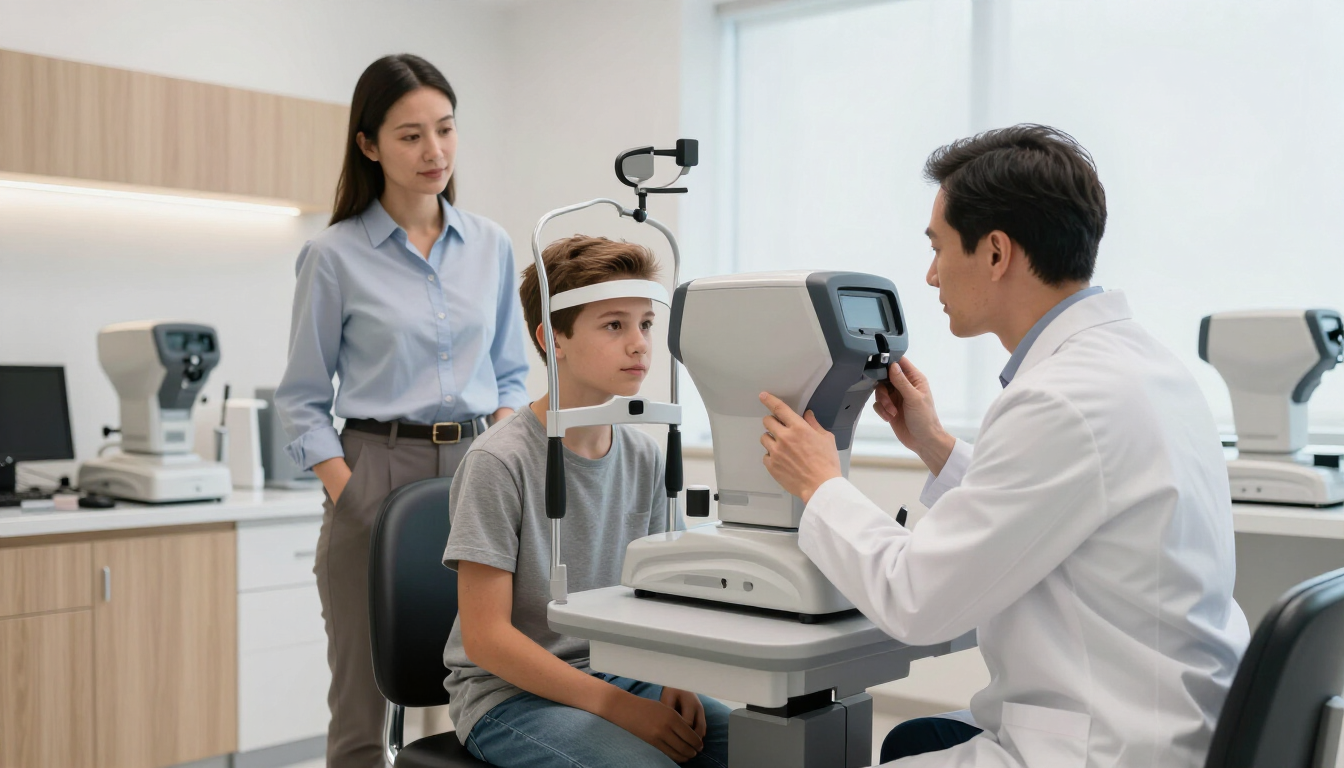
Is Your Child A Candidate For Myopia Management? Rapidly progressing myopia is more than just a hassle — today’s research shows that it will put your child at increased risk of developing serious eye diseases in late adulthood, such as glaucoma, cataracts, retinal detachment and macular degeneration. Fortunately, Dr. Brian Cho can help slow the progression of your child’s myopia with a customized myopia management program. What is Myopia Management? Myopia management is an evidence-based program that can halt or slow the progression of myopia in children. Each myopia management treatment has varying benefits and levels of efficacy; Dr. Brian Cho can help you decide which method is most suitable for your child depending on their age and myopia level. Is Myopia Management Right for My Child? The ideal candidate for myopia management is a child or young adult with practically any degree of myopia. Although it’s best to begin myopia management as early as possible, many older children, teens, and college students can still benefit from this treatment. But first, here are a few factors to consider before embarking on a myopia management program: The patient must be at least 6 or 7 years of age He or she must be willing and able to care for contact lenses Must have a certain level of maturity and responsibility Below are some examples of myopia management patients: A 9-year-old recently diagnosed with myopia is already noticing the need to increase her prescription. She begins myopia management to slow down or stop her deteriorating distance vision. This is a great time to start myopia management, as it offers the best chance of preserving long-term eye health. Myopia management is also suitable for young teens or pre-teens. A 12-year-old who wants to eliminate the need for daytime glasses or contact lenses may find certain myopia management treatments to be very appealing. A young teen who feels insecure about their appearance when wearing glasses, or who finds that glasses interfere with sports and other activities, may also find myopia management to be a great option. A 16-year-old teen with mild to moderate myopia hopes to undergo corrective surgery in the future. If they begin myopia management at 16, they have a good chance of stabilizing their vision until they meet the age requirements for corrective surgery a few years later. In addition to decreasing their risks of future eye disease, slowing their myopia progression may increase their chance of successful corrective surgery. We Can Help Control Your Child’s Myopia Myopia management works best when parents wish to take a proactive role in preserving their child’s vision in the long term. The earlier a child receives myopia management, the easier it is to control myopia’s progression and the better the long-term results. If your child has myopia, take action and help mitigate their risk of developing eye disease in the future. For further information or to schedule your consultation, contact Bellport Perspective Eye Care today. Our practice serves patients from Bellport, Coram, Patchogue, and Sayville, NY and surrounding communities. REFERENCES https://optometry.nova.edu/ce/orlandoweekend/micklesteabcoamyopia https://www.mykidsvision.org/blog/when-to-start-and-when-to-stop-myopia-management/

Everything You Need to Know About Meibomian Gland Dysfunction If your eyes itch, burn, sting, look red, or you have a constant feeling of something being lodged in your eye, you may have a condition called Meibomian (“my-BOH-mee-an”) Gland Dysfunction, or MGD. This condition is the leading cause of Dry Eye Syndrome. Patients from throughout the Bellport area suffering from Meibomian Gland Dysfunction. If you suffer from any of these symptoms or think you might have MGD, contact the Bellport Perspective Eye Care . Dr. Brian Cho can help you with the long-term relief you need. What is Meibomian Gland Dysfunction? Our tears are made up of three components: the lipid (oil) layer, aqueous (water) layer, and the mucus (sticky) layer. These components work in unison to lubricate and coat the eyes, keeping them moist and comfortable. Your meibomian glands control the lipids in the eye (meibum) which combine with water and mucus in the eye area to create a thin film that consistently lubricates your eyes. Meibum is an essential part of your eye’s makeup as it prevents the evaporation of the eye’s tear film. Meibomian Gland Dysfunction occurs when the meibomian glands fail to provide enough meibum. This can be triggered by various factors and causes the tear film to evaporate at a quicker rate, leading the eyes to feel dry and uncomfortable. What Are the Symptoms of Meibomian Gland Dysfunction? Depending on your specific case, your symptoms may be mild or severe, quick or long-lasting. The most common symptoms of MGD include: Blurry vision Burning and dry sensation Difficulty wearing contact lenses Watery eyes Red, sore and gritty eyes Crusty or sticky eyelids The increased use of air conditioning or heating systems in the summer and winter months may intensify symptoms. Humid climates, extreme temperatures, and dusty and windy conditions may aggravate eye dryness and itchiness as well. What are the Causes of Meibomian Gland Dysfunction? Age: MGD tends to manifest in older people, particularly in women during and after menopause Taking certain medications: particularly retinoic acid (acne treatment), HRT (hormone replacement therapy for menopausal women), antidepressants, antihistamines, anti-androgen medication (used to treat prostatic hypertrophy). Endocrine disorders Pregnancy Wearing contact lenses for an extended period of time. Immune system disorders: atopic rosacea, psoriasis, rheumatoid arthritis and Sjogren’s syndrome. Excessive screen time has also been linked to the development of MGD. Staring at a screen on your TV, smartphone, computer or tablet, causes you to blink less frequently. Blinking naturally moisturizes your eyes, and by doing so, clears any small particles that may have accidentally lodged in your eye. Less frequent blinking results in dryer eyes, which can harm the long-term ability of your meibomian glands to function properly. What are the Solutions for Meibomian Gland Dysfunction? Treatments for Meibomian Gland Dysfunction range from self-administered or practitioner-administered treatments and typically involve a few methods, such as artificial tears, heat application, and manual gland expression. Dr. Brian Cho usually suggests applying warm compresses over your eyelids as a first course of action. This gently opens the clogged glands and loosens the oil that may have accumulated. Warm compresses can provide temporary relief. Further therapies used to manage MGD include omega-3 supplementation, topical antibiotics, oral tetracyclines to reduce the level of pro-inflammatory cytokines, corticosteroids, or topical cyclosporine. People with MGD commonly purchase over-the-counter eye drops to lubricate their eyes. Unfortunately, these drops tend to provide only transient relief, because, without an adequate layer of Meibomian Gland oil, the liquid from the drops simply evaporate off of the eye. Dr. Brian Cho at Bellport Perspective Eye Care can recommend the appropriate eye drops or treatment for your dry eye case to improve your eye comfort levels. Think You Have MGD? We Can Help If you are suffering from any of the above symptoms or conditions, then reach out to the Bellport Perspective Eye Care. Based on the degree of your condition, symptoms, and lifestyle, Dr. Brian Cho will recommend the best course of treatment for you. Our practice serves patients from Bellport, Coram, Patchogue, and Sayville, NY and surrounding communities. “I went to the Bellport Perspective Eye Care and everyone there was professional and courteous. Dr. Brian Cho did a thorough evaluation and treatment. I’m happy to say that my eyes feel comfortable and my vision is back to how it was before the condition began.” Jennifer P. Craig, Yen-Heng Chen, Philip R. K. Turnbull; Prospective Trial of Intense Pulsed Light for the Treatment of Meibomian Gland Dysfunction. Invest. Ophthalmol. Vis. Sci. 2015;56(3):1965-1970. doi: 10.1167/iovs.14-15764.

Custom-fit scleral lenses help patients with corneal distortions and irregularities achieve dramatic improvements in visual acuity and comfort. Scleral lenses vault over the cornea and prevent discomfort by resting on the sclera so as not to place any pressure on the cornea. This creates a new optical surface to replace the distorted cornea. Moreover, the reservoir of pure saline solution between the back surface of the lens and the front of the cornea ensures that the eye is always in a liquid environment – making it optimal for healing. Due to their size, scleral lenses are more stable on the eye than conventional GP lenses and are therefore less likely to accidentally dislodge from the eye. This stability makes them more comfortable, especially for sensitive eyes or irregularly shaped corneas. Moreover, all scleral lenses are made with highly breathable gas permeable material so that plenty of oxygen reaches the front of the eye, keeping it healthy and comfortable. Types of Scleral Lenses These three categories are based on the lenses’ size and primary contact with the surface of the eye. Corneo-scleral lenses and semi-scleral lenses are significantly larger than traditional GP lenses and rest near the junction between the cornea and the sclera. Mini-scleral lenses vault over the whole corneal surface and rest on the anterior sclera. Full scleral lenses are the largest in size and provide the most clearance between the back surface of the lens and the cornea. If you are interested, contact Bellport Perspective Eye Care to find out if scleral lenses are right for you. Our staff helps patients from all over Bellport and Coram , NY , and Dr. Brian Cho will provide a comprehensive evaluation and the highest level of care. Scleral Lenses Provide More Comfort and Improved Vision Our patients report comfort as the most prominent feature of the scleral lens. Throughout the fitting process, we survey our patients on how the lenses feel, and not surprisingly, the usual feedback we get is “fine” or “I can’t feel them at all”. Traditional contact lenses are much smaller, typically 9 -10 mm in diameter. With each blink, the contact lens moves a bit over the cornea and the lid tends to roll over the edge of the lens as well. Many patients report being unable to wear them for more than a few hours at a time due to the discomfort. The scleral lens, on the other hand, is larger in diameter and spreads its weight over a much greater, less sensitive area so that when you blink the eyelid doesn’t catch the edge of the lens. Because the lens sits firmly on the eye, it offers more stable vision than traditional lenses. Moreover, having the lens vault over the cornea protects it from any abrasion caused by blinking or external irritants. It is made up of highly oxygen permeable materials and provides a soothing bath of artificial tears that refresh the ocular surface. Scleral lenses not only improve comfort but make for more stable vision. Who is a Good Candidate for Scleral Lenses? Anyone seeking to achieve the best vision with contact lenses is a great candidate for scleral lenses. That said, these lenses are particularly useful in managing the following conditions: Hard-to-fit eyes: Those with an irregularly shaped cornea, whether due to natural causes, an eye condition (i.e. keratoconus), or complications following surgery, tend to develop vision problems which cannot be fully corrected using soft contact lenses, as the shape of their eye cause the lenses to easily dislodge. For those people, scleral lenses provide a more comfortable, secure fit and improved vision, which may be even better than glasses. Any of the following conditions can make wearing traditional contact lenses more challenging: Keratoconus Astigmatism Dry Eyes Giant papillary conjunctivitis (GPC) Post-refractive surgery (i.e. LASIK, PRK) Presbyopia Dry Eyes: Those with dry eyes may find traditional contact lenses difficult to wear. Scleral lenses provide a tear reservoir between the back surface of full scleral lenses and the cornea, keeping the front of your eye moist and comfortable. Can Children Wear Scleral Lenses? Young children (over 6 months of age) with an ocular surface disease or severe dry eyes can benefit from wearing full scleral lenses, as they need to protect as much of the eye as possible. Mini-scleral lenses, typically ranging from 15.0mm to 18.0mm in size, and are a great choice for young children with normal corneas and high refractive errors or for those who have irregular corneas such as keratoconus. Mini-scleral are also great for kids who are intolerant to corneal GP lenses and want the comfort of a soft contact lens. What happens during scleral lens fitting? We carefully map the patient’s cornea using the latest corneal topography equipment. This generates a detailed diagram of your cornea, which is used to make customized scleral contact lenses. How difficult is it to insert and care for scleral lenses? Initially, inserting scleral lenses can be challenging. But after a short period, and thorough training by the optometrist, inserting and removing contact lenses becomes habitual. Scleral lenses are very durable, easy to handle and are easy to care for once the patient is well trained. What Changes Will I Notice with Scleral Lenses? Once you have been properly fitted for scleral lenses, you can expect to gradually see improvements in clarity, color and detailed contrast between multiple images and objects within your visual field. The comfort you’ll experience will enable you to wear your custom-made scleral lenses all day long so that you can keep doing all the things you love – but with better vision. Watch this video to learn how easy and comfortable they are to insert, remove, and wear all day. When Should I See An Eye Doctor Specializing in Scleral Lenses? If you are interested in seeing whether scleral lenses are right for you, make sure that the eye doctor you visit has the knowledge and experience required to correctly fit you for the lenses. Scleral lenses require precise customization, and every patient’s case varies in degrees of severity and corneal measurements. Experts in scleral lenses, Dr. Brian Cho and the attentive staff at Bellport Perspective Eye Care will ensure that you receive top-notch eye care for all your vision needs. Does Insurance Cover Scleral Lenses? When it comes to scleral lenses, every insurance company is different. Some cover the examination and custom fitting, but not the actual lenses. Others may cover a portion of the cost or 100% of the cost, but only if other treatment methods have been exhausted. To understand the coverage and fees you can contact us or check with your specific insurance provider to understand the particulars. Our practice serves patients from Bellport, Coram, Patchogue, and Sayville, NY and surrounding communities.

Are You Diabetic? All diabetics are at risk of developing diabetic retinopathy, which generally presents without warning signs or symptoms in its early stages. Fortunately, by having regular dilated eye exams, your eye doctor can diagnose and manage the condition to help you avoid vision loss. What is Diabetic Retinopathy? Diabetic retinopathy affects approximately 35% of diabetics worldwide. It occurs when the small blood vessels in the retina swell and leak as a result of high blood sugar levels. The new thin and fragile blood vessels that grow may bleed, causing scar tissue. Eventually, if left untreated, this leads to permanent vision loss, perhaps even blindness. If you’re diabetic, controlling blood sugar levels and undergoing routine eye exams are crucial to preventing vision loss. Several risk factors associated with diabetic eye problems include: Poor blood sugar control High blood pressure High cholesterol Excess weight/obesity Smoking Pregnancy Why Are Eye Exams Important? Since diabetic retinopathy is typically painless and shows no symptoms until its advanced stages, many diabetics are unaware they have it. It’s possible that as the condition worsens, it will cause: Poor night vision Blurred vision Vision loss An increased number of floaters Colors to appear washed out or faded Blank or dark areas in your field of vision By getting annual eye evaluations, your eye doctor will be able to detect these signs early enough which can help lower your risk or minimize vision loss. How Can Diabetic Retinopathy Be Treated? The treatment options listed below may help improve your vision. Medication Anti-VEGF or steroid injections Laser surgery Vitrectomy How Can Diabetic Retinopathy Be Prevented? Below are a few ways you can preserve your vision. Control blood sugar levels Maintain healthy cholesterol levels and blood pressure Keep to a healthy diet and exercise regimen Quit smoking, if applicable To prevent and manage diabetic retinopathy, a multi-disciplinary approach involving your eye doctor and other medical professionals is needed. Your eye doctor will conduct a comprehensive eye exam to determine whether you have diabetic retinopathy, assess its seriousness, and explore prevention and treatment options. Contact Bellport Perspective Eye Care to schedule your dilated eye exam today, and learn more about what you can do to protect your vision and general health. Our practice serves patients from Bellport, Coram, Patchogue, and Sayville, NY and surrounding communities.

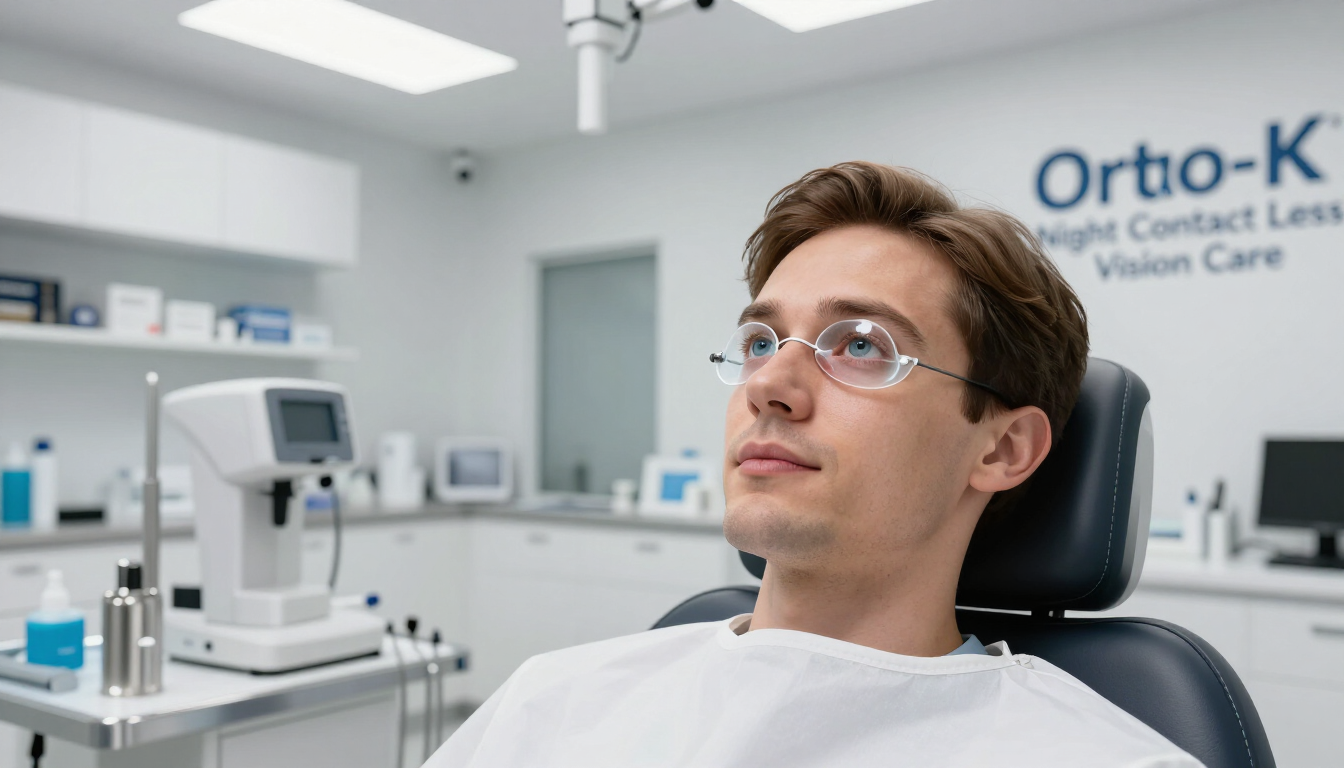
What Are Overnight Ortho-K Contact Lenses? Ortho-k lenses are customized contact lenses that gently reshape the cornea, the front part of the eye, overnight, allowing children and adults to enjoy clear vision the following day—without needing to wear glasses or contact lenses. They’re ideal for people with myopia (nearsightedness), hyperopia (farsightedness) and astigmatism. Studies have shown that ortho-k lenses can help stop the progression of myopia in children and teenagers, which in turn can help prevent eye diseases in adulthood. Moreover, ortho-k is a great option for athletes of any age who don’t want to deal with contact lenses or glasses while playing sports. The lenses may also allow many adults with presbyopia — a normal part of the ageing process — to forgo reading glasses. The lenses enable professionals like pilots and people in law enforcement to meet their jobs’ unaided vision requirements. What Is Orthokeratology/Ortho-K? Orthokeratology (also called ortho-k), is specially fitted and designed gas permeable contact lenses that temporarily and gently reshape the cornea to correct refractive errors like myopia, hyperopia and astigmatism. By wearing ortho-k lenses every night, anyone can enjoy clear, sharp vision during the day, without relying on eyeglasses or contact lenses. Research shows that ortho-k lenses not only effectively removes the need to wear glasses or daytime contact lenses; they can also slow and sometimes stop the progression of myopia. That’s important because children with moderate to severe myopia are at risk of developing sight-threatening eye diseases later in life. This explains why many optometrists prescribe ortho-k for myopia management. The Other Names For Ortho-K Over the years you may have heard different terms and names for orthokeratology. While there are different orthokeratology lens fitting systems and designs, the principles behind them in reshaping the cornea are similar. These names include: Ortho-k Accelerated Ortho-K (AOK) Corneal Refractive Therapy (CRT) Dream Lenses Global Orthokeratology Vision (GOV) Gentle Vision Shaping System (GVSS) Molding Lenses Natural Vision Improvement Night Lenses Overnight Lenses Overnight Corneal Reshaping (OCR) Vision Shaping Treatment (VST) What Are the Benefits of Ortho-K? Slows the progression of myopia – Having moderate to high myopia is a risk factor for developing serious eye conditions in adulthood. Correct refractive errors – The lenses can correct myopia, presbyopia, hyperopia and astigmatism. Provide fast correction – Ortho-k provides fast results. Some people are able to get rid of their corrective lenses after a single night of treatment. However, if you or your child has a strong prescription, it may take a few days or two to three weeks for optimal results. Clear vision all day long – The gentle corneal reshaping that corrects vision overnight lasts all day and at times even two days. They’re comfortable – Created with precise mapping technology, ortho-k lenses are custom-fit to the eyes, thus ensuring optimal comfort. Have an excellent safety record – Orthokeratology lenses provide safe vision correction when used properly and according to hygiene protocols. CRT by Paragon is also FDA-approved for how effective it is! Reshape the cornea temporarily – The changes to the corneal shape aren’t permanent, so if patients eventually opt for laser refractive surgery, they can stop using the lenses and the cornea will naturally revert to its original shape. This allows for better laser results. Are Overnight Ortho-K Lenses Safe? Yes. Ortho-k is a safe, non-surgical, and reversible alternative to LASIK. It is ideal for any adult who is active during the day and doesn’t want to wear contact lenses or glasses. Unlike standard contact lenses, which can damage your eyes if you wear them overnight, ortho-k lenses are specially designed to be worn while you sleep! As with any contact lenses, make sure to always follow your eye doctor‘s instructions regarding how to properly handle and care for your overnight lenses. For more information on ortho-k lenses, contact Bellport Perspective Eye Care today. We’ll be happy to schedule an eye exam and answer any questions you may have. Our practice serves patients from Bellport, Coram, Patchogue, and Sayville, NY and surrounding communities.