That Gritty, Burning Feeling in Your Eyes? It Has a Name — and a Solution
What you need to know about Meibomian Gland Dysfunction, the most common cause of dry eye — and why it becomes more common after 55.
You’ve probably chalked it up to allergies, or aging, or too much time in front of a screen. But if your eyes regularly feel gritty, dry, or like there’s something stuck in them — even when there isn’t — there’s a good chance something specific is going on beneath the surface.
That something is called Meibomian Gland Dysfunction, or MGD. It’s the leading cause of dry eye, it’s extremely common in people over 55, and the good news is that it’s very treatable. You don’t have to just live with the discomfort.
So, What Exactly Is MGD?
Your tears aren’t just water. They’re made up of three layers working together: an oily outer layer, a watery middle layer, and a sticky inner layer that helps everything cling to the surface of your eye. Each layer plays a role in keeping your eyes comfortable and your vision clear.
The oil layer — called meibum — is produced by tiny glands along the edges of your eyelids called meibomian glands. Its job is to slow evaporation and keep your tear film stable between blinks. When those glands get clogged or stop producing enough oil, the tear film breaks down too quickly. Your eyes dry out faster, become irritated, and that familiar gritty, burning feeling sets in.
That’s Meibomian Gland Dysfunction — and it’s far more common than most people realize.
Does Any of This Sound Familiar?
MGD can show up differently from person to person, but the most common symptoms include:
• A persistent gritty or sandy feeling in your eyes
• Burning or stinging, especially later in the day
• Eyes that water excessively — which sounds counterintuitive, but is actually a reflex response to dryness
• Blurry vision that improves briefly when you blink
• Red, sore, or irritated eyes
• Crusty or sticky eyelids, particularly in the morning
• Difficulty wearing contact lenses comfortably
Symptoms often get worse in air-conditioned rooms, dry or windy weather, or after extended time on a screen. If any of these sound like your daily experience, you’re not alone — and you’re not stuck with it.
Why MGD Becomes More Common After 55
MGD isn’t something you did wrong. It’s largely a function of how our eyes change over time — and several things that happen naturally after 55 make it more likely:
• Hormonal changes — Menopause and declining androgen levels affect oil gland function in both women and men, making it one of the most significant triggers for MGD in this age group.
• Common medications — Antihistamines, antidepressants, blood pressure medications, and hormone therapies can all affect tear production and gland function.
• Screen time — When we stare at a screen, we blink significantly less often. Blinking is what naturally expresses the meibomian glands and keeps oil flowing. Less blinking over time can gradually impair gland function.
• Underlying health conditions — Rosacea, rheumatoid arthritis, Sjögren’s syndrome, and other autoimmune or skin conditions are closely linked to MGD.
The important thing to know is that these causes are well understood — and that means we can address them effectively.
What Treatment Actually Looks Like
One of the most common frustrations we hear from patients is that they’ve been using eye drops for years with only partial relief. That’s because over-the-counter drops treat the symptom, not the source. Without a functioning oil layer, even the best lubricating drops evaporate off the eye quickly.
At Perspective Eye Care, Dr. Brian Cho takes a different approach: identifying the root cause of your dry eye and treating it directly. Depending on what’s driving your MGD, treatment might include:
• Warm compress therapy — A gentle first step that softens clogged gland openings and gets oil flowing again. Simple, but genuinely effective for mild to moderate cases.
• In-office gland treatments — Advanced therapies including low-level light therapy, radiofrequency, and intense pulsed light (IPL) that address the glands themselves rather than just the symptoms. Many patients notice meaningful improvement after just a few sessions.
• Omega-3 supplementation — Supported by good evidence for improving oil quality in the tear film.
• Prescription therapies — Topical antibiotics, cyclosporine, or short-course corticosteroids when inflammation is part of the picture.
• Targeted eye drops — When drops are appropriate, Dr. Cho will recommend the right formulation for your specific situation — not just the first thing off the shelf.
Every treatment plan is built around you — your symptoms, your lifestyle, and what will actually make a difference in your day-to-day comfort.
You Shouldn’t Have to Live With Uncomfortable Eyes
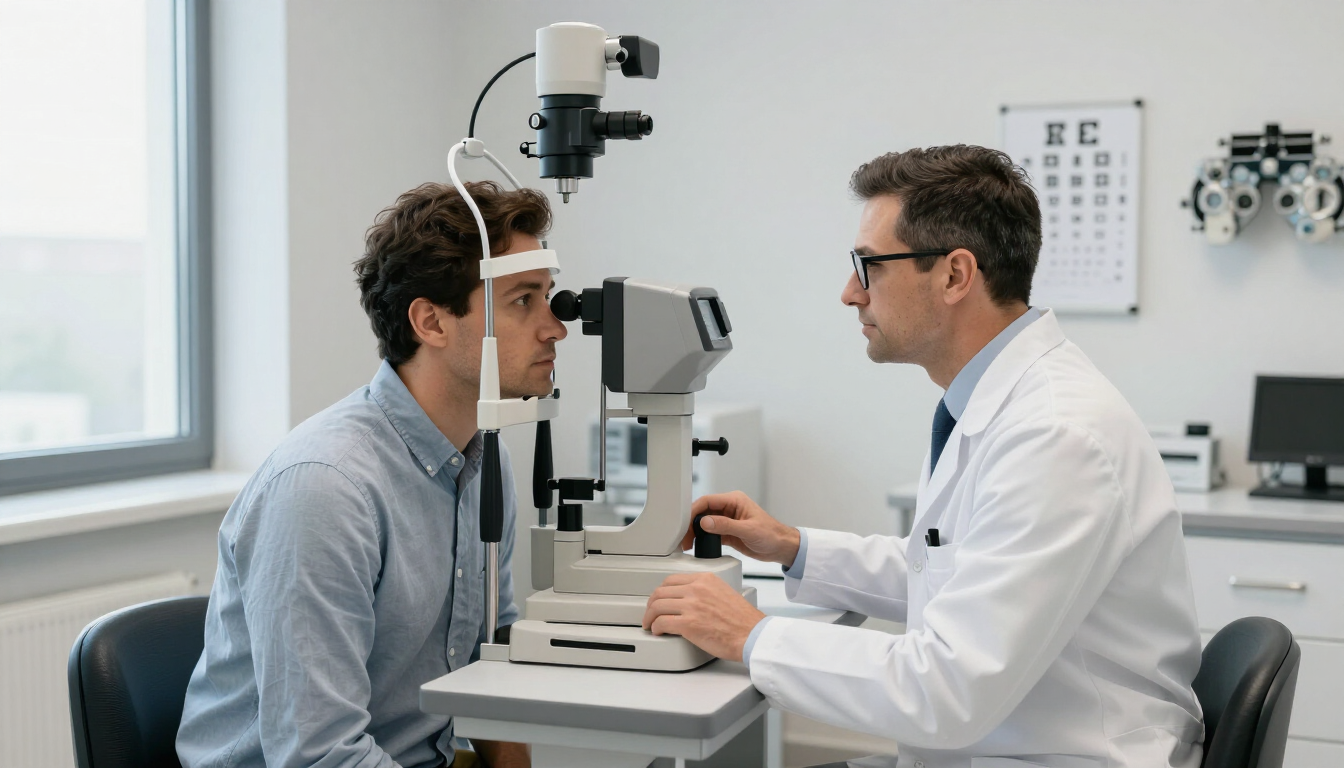
If your eyes have been bothering you — whether it’s been weeks or years — a dry eye evaluation at Perspective Eye Care is a great place to start. Dr. Brian Cho will take the time to understand what’s going on, explain your options clearly, and put together a plan that fits your life. No rushing, no jargon, just answers.
Book your evaluation at perspectiveli.com or call our Bellport or Coram office. We’d love to help.
More Posts Like This