November 21, 2025

What is Diabetic Retinopathy and How Can It Be Treated?


Book an Appointment

Are You Diabetic?


All diabetics are at risk of developing diabetic retinopathy, which generally presents without warning signs or symptoms in its early stages. Fortunately, by having regular dilated eye exams, your eye doctor can diagnose and manage the condition to help you avoid vision loss.


What is Diabetic Retinopathy?


Diabetic retinopathy affects approximately 35% of diabetics worldwide. It occurs when the small blood vessels in the retina swell and leak as a result of high blood sugar levels. The new thin and fragile blood vessels that grow may bleed, causing scar tissue. Eventually, if left untreated, this leads to permanent vision loss, perhaps even blindness.


If you’re diabetic, controlling blood sugar levels and undergoing routine eye exams are crucial to preventing vision loss. Several risk factors associated with diabetic eye problems include:


  • Poor blood sugar control
  • High blood pressure
  • High cholesterol
  • Excess weight/obesity
  • Smoking
  • Pregnancy


Why Are Eye Exams Important?


Since diabetic retinopathy is typically painless and shows no symptoms until its advanced stages, many diabetics are unaware they have it.

It’s possible that as the condition worsens, it will cause:


  • Poor night vision
  • Blurred vision
  • Vision loss
  • An increased number of floaters
  • Colors to appear washed out or faded
  • Blank or dark areas in your field of vision


By getting annual eye evaluations, your eye doctor will be able to detect these signs early enough which can help lower your risk or minimize vision loss.


How Can Diabetic Retinopathy Be Treated?


The treatment options listed below may help improve your vision.


  • Medication
  • Anti-VEGF or steroid injections
  • Laser surgery
  • Vitrectomy


How Can Diabetic Retinopathy Be Prevented?


Below are a few ways you can preserve your vision.


  • Control blood sugar levels
  • Maintain healthy cholesterol levels and blood pressure
  • Keep to a healthy diet and exercise regimen
  • Quit smoking, if applicable


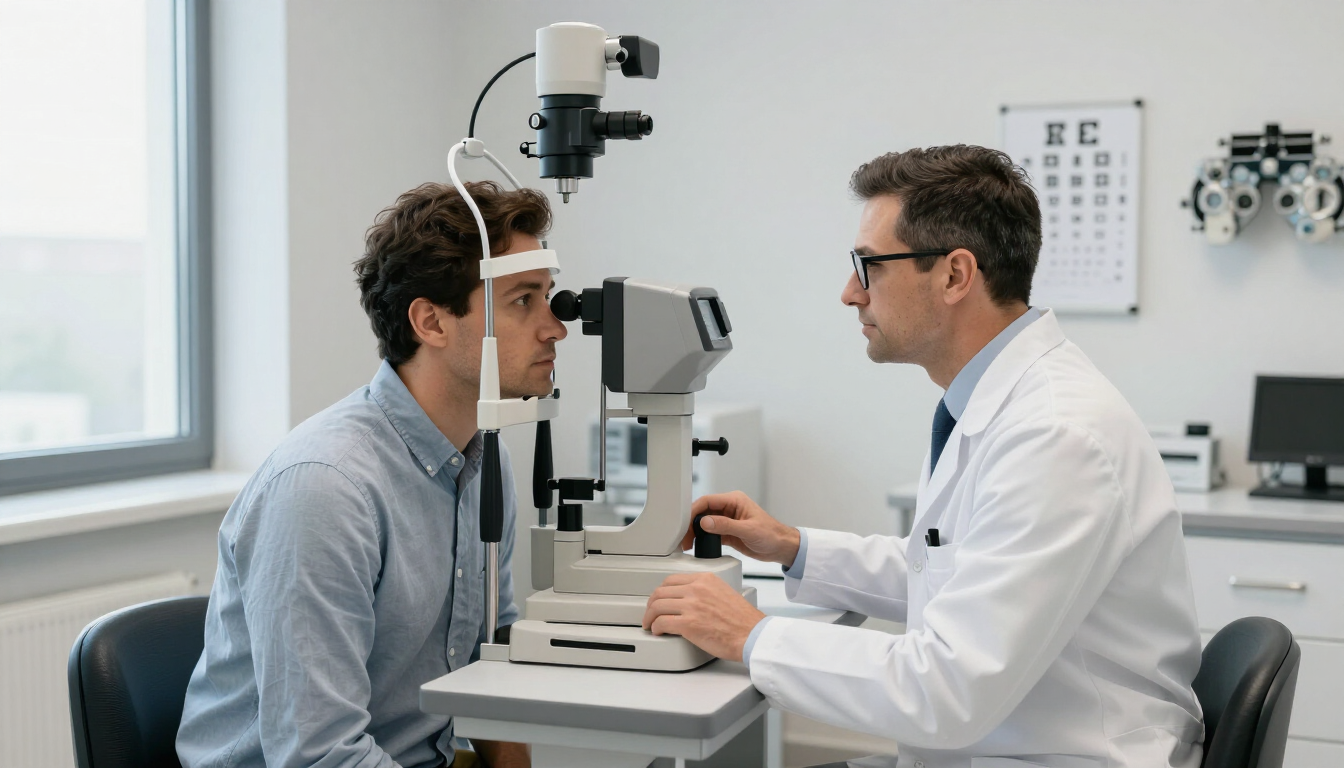
To prevent and manage diabetic retinopathy, a multi-disciplinary approach involving your eye doctor and other medical professionals is needed. Your eye doctor will conduct a comprehensive eye exam to determine whether you have diabetic retinopathy, assess its seriousness, and explore prevention and treatment options.


Contact Bellport Perspective Eye Care to schedule your dilated eye exam today, and learn more about what you can do to protect your vision and general health.


Our practice serves patients from Bellport, Coram, Patchogue, and Sayville, NY and surrounding communities.

FAQ

  • Is there a cure for diabetic retinopathy?

    Early treatments can slow the progression of the disease and may even restore any lost vision. The more effective long-term strategy is to control the risk factors for diabetic retinopathy. Once retinal scarring occurs, vision loss is usually permanent.

  • Even though my diabetes is well-controlled, could I still develop diabetic retinopathy?

    Yes. Despite maintaining control over blood sugar levels, patients who’ve had type 1 diabetes for over 20 years can still develop diabetic retinopathy. Other factors, such as inflammation and direct changes to the blood vessels, are also believed to cause this eye disease.

  • Are there different types of diabetic retinopathy?

    Yes. There are two major types:


    • Non-Proliferative Diabetic Retinopathy (NPDR) – the early stages
    • Proliferative Diabetic Retinopathy (PDR) – the advanced stages when any new fragile blood vessels appear

More Posts Like This

A woman and two children lying close, smiling at the camera. They are indoors.
November 21, 2025
Is Your Child A Candidate For Myopia Management? Rapidly progressing myopia is more than just a hassle — today’s research shows that it will put your child at increased risk of developing serious eye diseases in late adulthood, such as glaucoma, cataracts, retinal detachment and macular degeneration. Fortunately, Dr. Brian Cho can help slow the progression of your child’s myopia with a customized myopia management program. What is Myopia Management? Myopia management is an evidence-based program that can halt or slow the progression of myopia in children. Each myopia management treatment has varying benefits and levels of efficacy; Dr. Brian Cho can help you decide which method is most suitable for your child depending on their age and myopia level. Is Myopia Management Right for My Child? The ideal candidate for myopia management is a child or young adult with practically any degree of myopia. Although it’s best to begin myopia management as early as possible, many older children, teens, and college students can still benefit from this treatment. But first, here are a few factors to consider before embarking on a myopia management program: The patient must be at least 6 or 7 years of age He or she must be willing and able to care for contact lenses Must have a certain level of maturity and responsibility Below are some examples of myopia management patients: A 9-year-old recently diagnosed with myopia is already noticing the need to increase her prescription. She begins myopia management to slow down or stop her deteriorating distance vision. This is a great time to start myopia management, as it offers the best chance of preserving long-term eye health. Myopia management is also suitable for young teens or pre-teens. A 12-year-old who wants to eliminate the need for daytime glasses or contact lenses may find certain myopia management treatments to be very appealing. A young teen who feels insecure about their appearance when wearing glasses, or who finds that glasses interfere with sports and other activities, may also find myopia management to be a great option. A 16-year-old teen with mild to moderate myopia hopes to undergo corrective surgery in the future. If they begin myopia management at 16, they have a good chance of stabilizing their vision until they meet the age requirements for corrective surgery a few years later. In addition to decreasing their risks of future eye disease, slowing their myopia progression may increase their chance of successful corrective surgery. We Can Help Control Your Child’s Myopia Myopia management works best when parents wish to take a proactive role in preserving their child’s vision in the long term. The earlier a child receives myopia management, the easier it is to control myopia’s progression and the better the long-term results. If your child has myopia, take action and help mitigate their risk of developing eye disease in the future. For further information or to schedule your consultation, contact Bellport Perspective Eye Care today. Our practice serves patients from Bellport, Coram, Patchogue, and Sayville, NY and surrounding communities. REFERENCES https://optometry.nova.edu/ce/orlandoweekend/micklesteabcoamyopia https://www.mykidsvision.org/blog/when-to-start-and-when-to-stop-myopia-management/
Close-up of brown eyes looking up, with a slight reflection in the iris.
November 21, 2025
Struggling with itchy, irritated eyes? Discover the most common causes of dry eye, from screen use to ageing, and find effective relief today.
Overhead view of eyeglasses, contact lens case, and blister packs with single-use contact lenses on a white surface.
November 21, 2025
Discover how scleral lenses provide superior comfort and clear vision for irregular corneas, dry eye, and keratoconus. Learn if they are right for you.